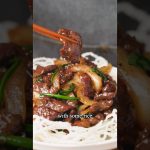



Introduction to Authentic Chinese Cuisine
Imagine sitting down to a vibrant, aromatic meal that tickles your taste buds and transports you right to the bustling streets of Beijing or a peaceful morning in the lush valleys of Yunnan. Authentic Chinese cuisine is not just about eating; it’s an adventurous journey through thousands of years of culture, history, and flavor. It offers a diverse range of dishes that vary dramatically from region to region, each with its unique flavors and cooking techniques. Whether you’re a food lover or just looking to spice up your cooking repertoire, exploring authentic Chinese cuisine is both enriching and delightful.
- Introduction to Authentic Chinese Cuisine
- Why Explore Authentic Chinese Cuisine?
- Dive Into the Diversity: A Guide to Chinese Culinary Regions
- Northern China: Wheat and Warmth
- Southern China: Rice and Freshness
- Eastern China: Sweet and Light
- Western China: Bold and Spicy
- Trustworthy Resources on Chinese Cuisine
- Common Questions and Myths
- Practical Tips for Exploring Chinese Cuisine
- Conclusion: Embrace the Journey of Taste
Why Explore Authentic Chinese Cuisine?
Understanding and appreciating authentic Chinese cuisine can deepen your culinary knowledge and provide a fresh perspective on how you view and prepare food. Here’s why diving into this cuisine matters:
- Cultural Insight: Food is a window into culture. By exploring Chinese dishes, you learn not just about ingredients and methods but also about the philosophy and lifestyle of the people.
- Health Benefits: Many Chinese dishes are balanced and healthy, focusing on vegetables, grains, and proteins cooked with minimal fat.
- Variety and Flavor: Chinese cuisine offers an incredible variety of dishes that promise to please every palate, from sweet and sour to spicy and savory.
Dive Into the Diversity: A Guide to Chinese Culinary Regions
Northern China: Wheat and Warmth
- Staple Foods: Wheat-based foods like noodles, dumplings, and buns.
- Popular Dishes: Peking Duck, Jiaozi (dumplings).
Southern China: Rice and Freshness
- Staple Foods: Rice is predominant, along with an abundant use of fresh vegetables and seafood.
- Popular Dishes: Dim Sum, Char Siu (barbecued pork).
Eastern China: Sweet and Light
- Staple Foods: Seafood and sweets dominate this region.
- Popular Dishes: Sweet and Sour Pork, Beggar’s Chicken.
Western China: Bold and Spicy
- Staple Foods: Bold spices and flavors, often featuring beef and lamb.
- Popular Dishes: Hot Pot, Kung Pao Chicken.
Trustworthy Resources on Chinese Cuisine
To ensure you are getting authentic and reliable information, consult sources like the “Food of China” by E.N. Anderson or watch culinary explorations by well-known chefs who specialize in Chinese cuisine, such as Martin Yan. These resources offer insights into both the simplicity and complexity of Chinese dishes and their cultural significance.
Common Questions and Myths
- Is all Chinese food spicy? This is a myth. Chinese cuisine is incredibly diverse. For example, Cantonese food is mild and focuses on bringing out the original flavors of the ingredients.
- Do Chinese people eat “strange” foods daily? While there are exotic ingredients used in Chinese cuisine, everyday food includes more familiar staples like rice, vegetables, and fish.
Practical Tips for Exploring Chinese Cuisine
- Start Simple: Try making simple dishes like stir-fried vegetables or steamed rice to get a feel for the basic techniques.
- Use Authentic Ingredients: Visit Asian markets to find authentic ingredients like soy sauce, sesame oil, and rice vinegar.
- Cooking Techniques Matter: Learn the techniques such as stir-frying, steaming, and braising to achieve authentic flavors.
- Experiment with Regional Flavors: Once comfortable, start exploring recipes from different regions to appreciate the diversity in flavors.
Conclusion: Embrace the Journey of Taste
Exploring authentic Chinese cuisine is like opening a treasure chest of flavors and traditions. Each dish tells a story of its origin, the philosophy of its preparation, and the culture it represents. By stepping into this flavorful world, you not only expand your culinary skills but also gain a profound appreciation for one of the world’s richest cultures. So, grab your wok, some fresh ingredients, and let your taste buds lead you on an unforgettable journey through China’s culinary landscape!
Remember, cooking is as much about the journey as it is the destination. Enjoy each step, from market to plate, and you’ll find that each dish not only tastes better but is also a learning experience. Happy cooking!