


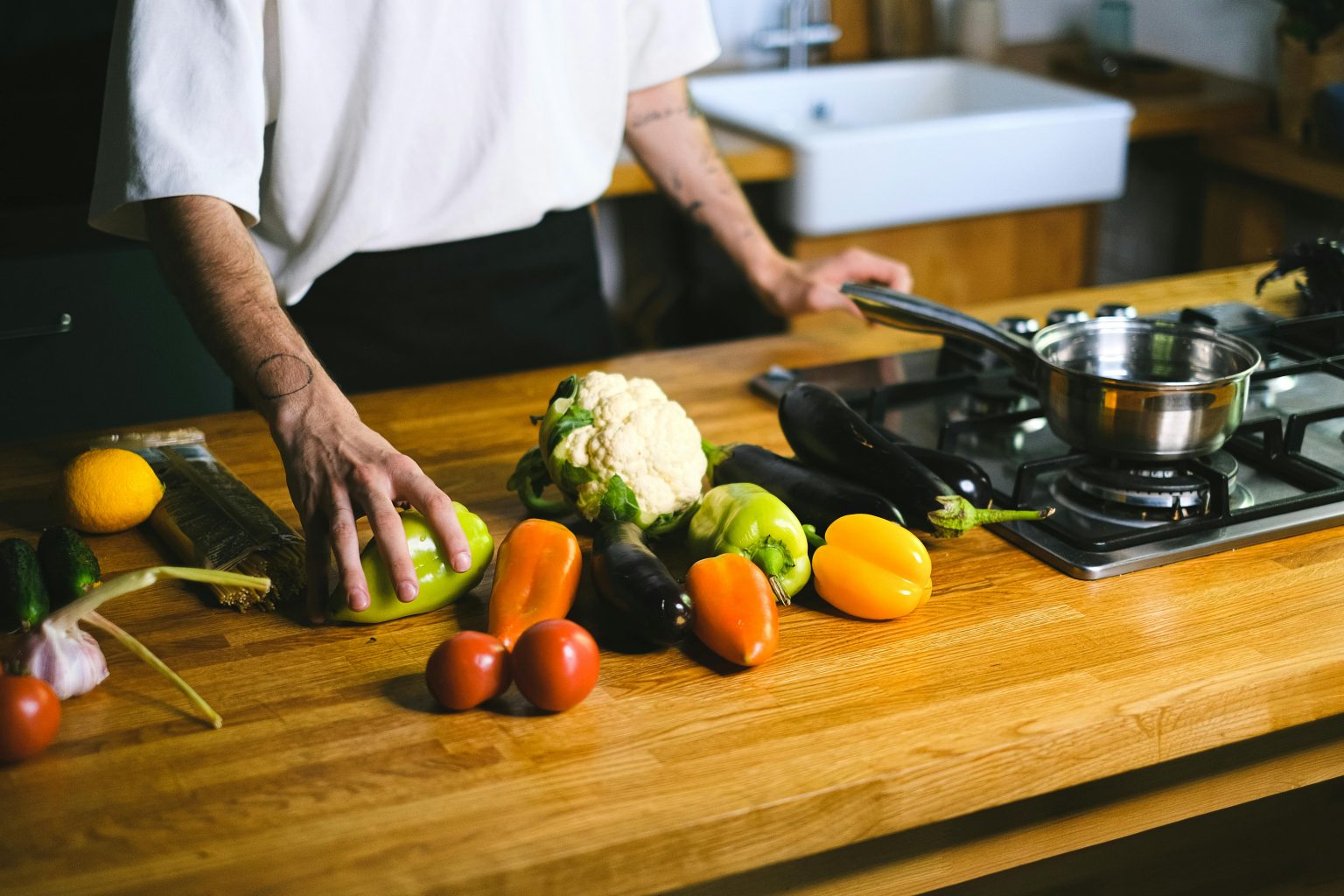
Introduction: Unlocking the World of Flavor in Your Kitchen
Have you ever wondered why dishes at your favorite restaurant taste so vibrant and full of flavor, yet your home cooking seems a bit flat in comparison? You’re not alone! Many of us struggle to replicate the rich, nuanced flavors we enjoy elsewhere. The secret to achieving these delicious tastes lies in unlocking the natural flavors of your ingredients. This guide will show you essential cooking tips to enhance the taste of your meals, making every bite unforgettable.
Understanding how to harness these flavors is not just about making tastier food—it’s about elevating your cooking from good to great. Whether you’re a beginner aiming to improve your cooking skills or someone who enjoys exploring new culinary techniques, these tips are perfect for anyone eager to bring out the best in their dishes.
Why This Matters
Unlocking the natural flavors of your ingredients allows you to create healthier, more satisfying meals without relying heavily on processed additives or excessive seasoning. It’s about respecting the ingredients and understanding how their flavors combine and change under different cooking methods. This approach can transform your cooking and lead to a more enjoyable and enriching culinary experience.
The Benefits of Enhancing Natural Flavors in Food
- Healthier eating: Less salt and sugar can be used when natural flavors shine through.
- Cost-effective: Maximizing flavor from common ingredients means less need for expensive specialty items.
- Satisfaction: Richer flavors lead to more satisfying meals, which can help with portion control and overall enjoyment.
Essential Tips to Unlock Natural Flavors
Choose the Right Ingredients
Quality matters: Opt for fresh, high-quality ingredients which inherently have better flavors. For instance:
- Fresh herbs versus dried
- Ripe, seasonal fruits and vegetables
- High-quality oils and vinegars
Cooking Techniques to Enhance Flavor
- Roasting: Intensifies flavors through caramelization. Vegetables and meats benefit immensely from this method.
- Sautéing: Quick, high-heat cooking that sears the surface and locks in flavors.
- Steaming: Preserves and enhances natural flavors and nutrients, especially in vegetables and fish.
Use of fats and acids:
- Fats like olive oil or butter can carry and amplify the flavors of your ingredients.
- Acids such as vinegar or lemon juice can brighten and balance dishes.
Seasoning: Do It Right
- Salt wisely: Adding salt during cooking (not just at the end) builds and enhances flavor.
- Layer Your Spices: Add spices at different stages of cooking to develop depth of flavor.
- Finish with freshness: A sprinkle of fresh herbs or a dash of acid can lift your dish before serving.
Utilizing Umami:
- Incorporate umami-rich ingredients like tomatoes, mushrooms, or cheeses to add a savory depth to your meals.
Frequently Asked Questions
Q: Why do my foods not taste as flavorful even when I use spices?
A: It could be due to the freshness of your spices or when you’re adding them during cooking. Adding spices too early in high heat can cause them to lose their potency.
Q: Can cooking methods really change the flavor of ingredients?
A: Absolutely! Techniques like caramelizing, roasting, or even grilling can enhance different flavors and aromas in ingredients, changing the overall profile of a dish.
Practical Tips and Actionable Advice
- Taste as you go: This simple habit can significantly improve your cooking as you can adjust seasoning and cooking times as needed.
- Keep it simple: Start with simple recipes that focus on a few key ingredients, learning how each component contributes to the overall flavor.
- Record your successes: Keep notes on what works well so you can recreate or tweak dishes in the future.
Strong Conclusion
Unlocking natural flavors in your cooking isn’t just about following recipes—it’s about being mindful of each ingredient’s potential and respecting the processes that best enhance their qualities. Experiment with the tips we’ve discussed today, and over time, you’ll see a significant transformation in your cooking. Remember, every great chef was once a beginner, and the journey towards culinary excellence is a continuous learning experience. Dive in, taste, tweak, and most of all, enjoy the process!
Happy cooking, and may your meals be deliciously flavorful!