

Introduction: Why Quick Cooking Techniques are Your New Kitchen Companion
Imagine this: you’re coming back from a long day at work, hungry, and there’s still a dinner to make. Sound familiar? Well, mastering quick cooking techniques can turn your after-work kitchen rush into a breeze. But what exactly does “quick cooking techniques” mean? Simply put, it’s a set of methods and shortcuts designed to speed up your cooking process without sacrificing the taste or quality of your food.
Understanding these techniques is incredibly useful for anyone because it saves time, reduces stress, and allows you to create delicious meals without spending hours in the kitchen. Whether you’re a busy parent, a student, or just someone with a hectic schedule, learning these strategies can make a significant positive impact on your daily life.
Why This Matters
The Value of Speed in the Kitchen
Mastering quick cooking techniques is more than just a time-saver; it enhances your lifestyle. By spending less time cooking, you can allocate those extra minutes to other important activities like spending more time with family, exercising, or even getting some well-deserved rest. Here are a few practical benefits:
- Less time cooking, more time enjoying: Prepare dishes in half the time, which lets you relax more.
- Energy efficient: Less cooking time can also lead to reduced energy usage, saving on utility bills.
- Less stress: Quick techniques often involve simpler steps, reducing the likelihood of cooking errors and kitchen mess.
Detailed Explanation: Breakdown of Quick Cooking Techniques
1. Use a Pressure Cooker
- What it does: A pressure cooker can reduce cooking times by up to 70%. It’s perfect for soups, stews, and tough cuts of meat.
- How to use it: Simply add your ingredients, lock the lid, and let it do its magic. Make sure to follow specific recipes designed for pressure cooking to ensure safety and delicious results.
2. Prep Smarter
- Batch prepping: Spend some time chopping and prepping ingredients for the week ahead.
- Ready-to-use products: Opt for pre-chopped vegetables or pre-marinated meats when you’re really short on time.
3. High-Heat Cooking Techniques
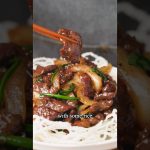
- Stir-frying: This Asian cooking technique uses high heat and quick stirring to cook food rapidly.
- Broiling: An underutilized method that uses high heat from above to cook food swiftly and often with a delicious char.
Expert-Based Guidance
Cooking experts and chefs recommend organizing your workspace and ingredients before starting (a technique called “mise en place”). This not only speeds up the cooking process but also helps avoid mistakes like missing ingredients. Additionally, embracing minimalism in your recipes can speed things up; often, simple recipes are the quickest to prepare and just as satisfying.
Addressing Common Questions & Myths
Is fast cooking less healthy? Not necessarily. Quick cooking, like steaming or stir-frying, can actually preserve nutrients better than long cooking methods.
Can quick meals be flavorful? Absolutely! Quick doesn’t mean bland. Using aromatic ingredients like garlic, herbs, and spices can add huge bursts of flavor without extra time.
Tips & Actionable Advice
- Keep your pantry stocked: Having key ingredients like rice, pasta, and canned tomatoes can save you lots of time.
- Hot pans and oil: Always heat your pans and oil before adding food to drastically reduce cooking time.
- Preheat effectively: Whether it’s your oven or a skillet, preheating is essential to speed up cooking.
Conclusion: Kick Start Your Quick Cooking Journey!
Mastering quick cooking techniques isn’t just about shaving off a few minutes. It’s about transforming the way you approach meal preparation, making it less daunting and more enjoyable. Start experimenting with these techniques, and you’ll discover the pleasure of serving up delicious meals that didn’t take all night to make. Bon appétit, and happy quick cooking!