


Introduction
Imagine you’re racing against the clock with a jam-packed schedule. Finding time for a healthy meal often falls by the wayside, right? However, maintaining good nutrition doesn’t have to be time-consuming or complicated. Whether you’re a busy professional, a student juggling assignments, or a parent on-the-go, simple changes can make a big difference in eating healthier. In this article, we’ll explore easy strategies that fit right into your hectic days!
Why This Matters
In the rush of daily tasks, it’s easy to reach for processed snacks or fast food. But poor eating habits can lead to health problems like low energy, weight gain, and even chronic diseases. “Healthy Eating Habits for Busy People: Simple Tips to Maintain Nutrition on the Go” offers smart, practical solutions to help you avoid these pitfalls. By making better food choices, you can boost your energy, productivity, and overall well-being.
Benefits of Healthy Eating on the Go
- Increased Energy: Balanced meals provide sustained energy, keeping you active and alert.
- Improved Health: Nutrient-rich foods help prevent common illnesses and support overall health.
- Time Efficiency: With good planning, you can save time, avoiding last-minute unhealthy choices.
Simple Steps to Better Nutrition
Plan Ahead
- Prepare Meals in Advance: Cook meals when you have time, perhaps over the weekend, and store them for quick access during your busy week.
- Pack Snacks: Have healthy options like nuts, fruits, or yogurt ready to grab when you’re out and about.
Make Smart Choices
- Hydrate Often: Keep a water bottle with you to stay hydrated, which can also curb hunger and prevent overeating.
- Choose Whole Foods: Opt for fruits, vegetables, whole grains, and lean proteins over processed items.
Educate Yourself
- Read labels to avoid high-sugar, high-sodium, or high-fat foods.
- Understand portion sizes to avoid eating too much.
Expert Advice
According to the American Heart Association, planning your meals can help control portions and better manage your overall caloric intake. They recommend including a variety of foods in your diet to get a range of nutrients.
FAQs and Common Misconceptions
Q: Is eating healthy more expensive?
A: Not necessarily. Buying whole ingredients in bulk and preparing meals at home can be very cost-effective.
Q: Do I have to cook daily to eat healthily?
A: No, cooking in batches and using leftovers can save both time and energy throughout the week.
Practical Tips & Actionable Advice
Grocery Shopping Checklist:
- Fresh fruits and vegetables
- Whole grains like quinoa or brown rice
- Lean proteins such as chicken or beans
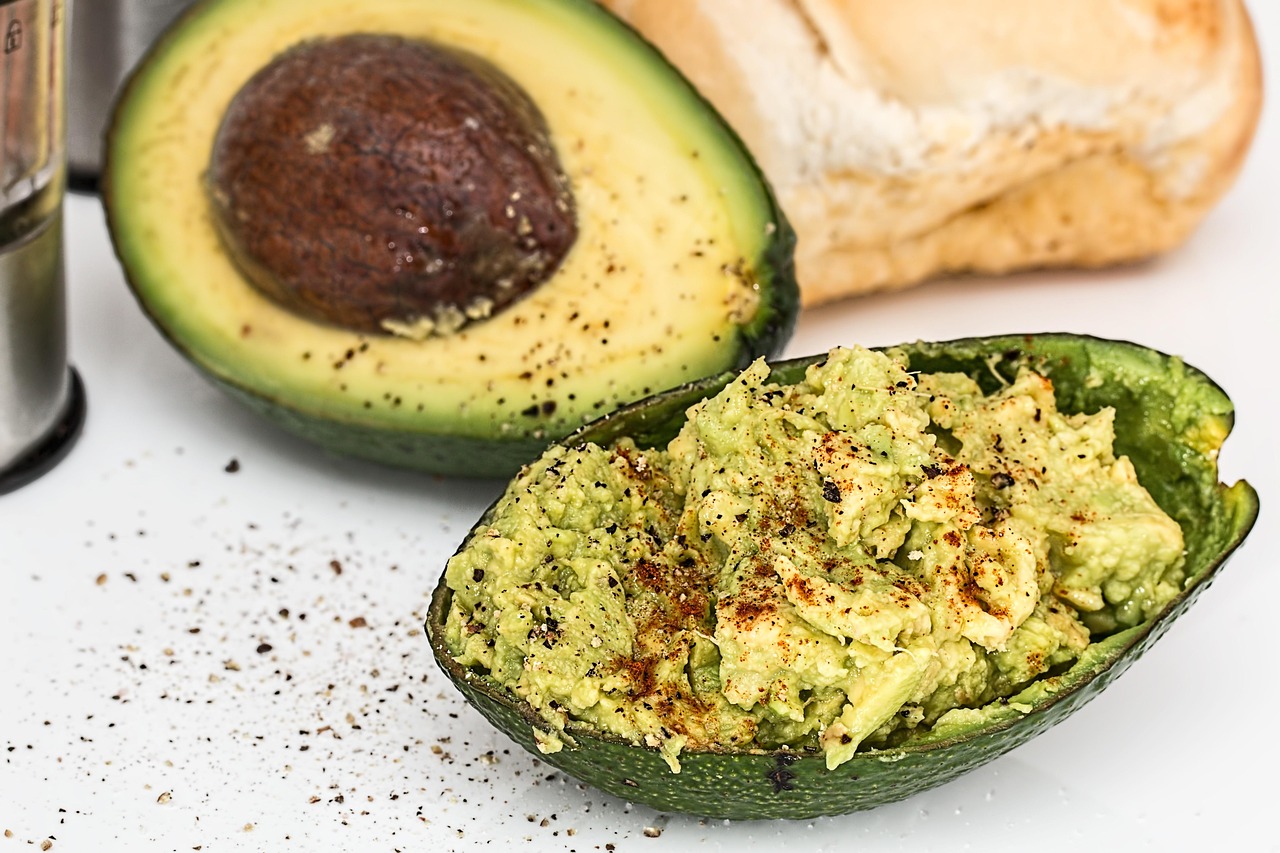
- Healthy fats like avocados and olive oil
Meal Planning Best Practices:
- Designate a meal prep day.
- Use a shopping list and stick to it to avoid impulse buys.
- Store meals in clear containers for easy selection.
Do’s and Don’ts:
- Do keep healthy snacks in your car or bag.
- Don’t skip meals, which can lead to overeating later.
Strong Conclusion
Adopting healthier eating habits despite a busy schedule is definitely achievable. With a little planning and some smart choices, you can nourish your body and enjoy the benefits of increased energy and better health. Start small—perhaps with packing your lunch or choosing healthier snacks. Over time, these habits will become second nature. Why not start today and see how simple changes can significantly enhance your health and productivity? Remember, every small step counts towards a healthier lifestyle. Happy eating on the go!