

Engaging Introduction
Have you ever savored a dish so delightful that you wished you could recreate it at home? Italian cuisine, famed for its bold flavors and comforting classics, offers just that opportunity. By exploring traditional Italian recipes, you can bring a slice of Italy right into your kitchen. Perfect for both cooking novices and seasoned chefs, learning about these dishes isn’t just about cooking; it’s about embracing a culture rich in history and passion for food.
Why This Matters
Exploring Italian cuisine means more than just enjoying good food. It’s an adventure into a diverse culinary landscape, full of recipes that have been passed down through generations. For the home cook, mastering these dishes can bring new flavors to the dinner table, impress family and friends, and even provide a meditative escape through the mindful act of cooking. Beyond personal benefits, understanding and preserving traditional recipes play a crucial role in keeping cultural heritage alive.
Detailed Explanation / Category Breakdown
The Basics of Italian Cuisine
- Pasta Dishes: From spaghetti Bolognese to lasagna, pasta is a staple in Italian meals.
- Pizza: Beyond just a fast-food option, true Italian pizza is an art form, featuring fresh ingredients on a thin, crispy crust.
- Soups and Stews: Minestrone and Cioppino showcase the robust flavors and versatility of Italian soups.
- Desserts: Tiramisu and Gelato are just the tip of the iceberg when exploring Italian sweets.
Essential Ingredients
- Olive Oil: Used in almost every Italian dish, high-quality extra virgin olive oil can transform a meal.
- Garlic and Herbs: Basics like garlic, basil, and rosemary enhance the flavor of dishes without overpowering them.
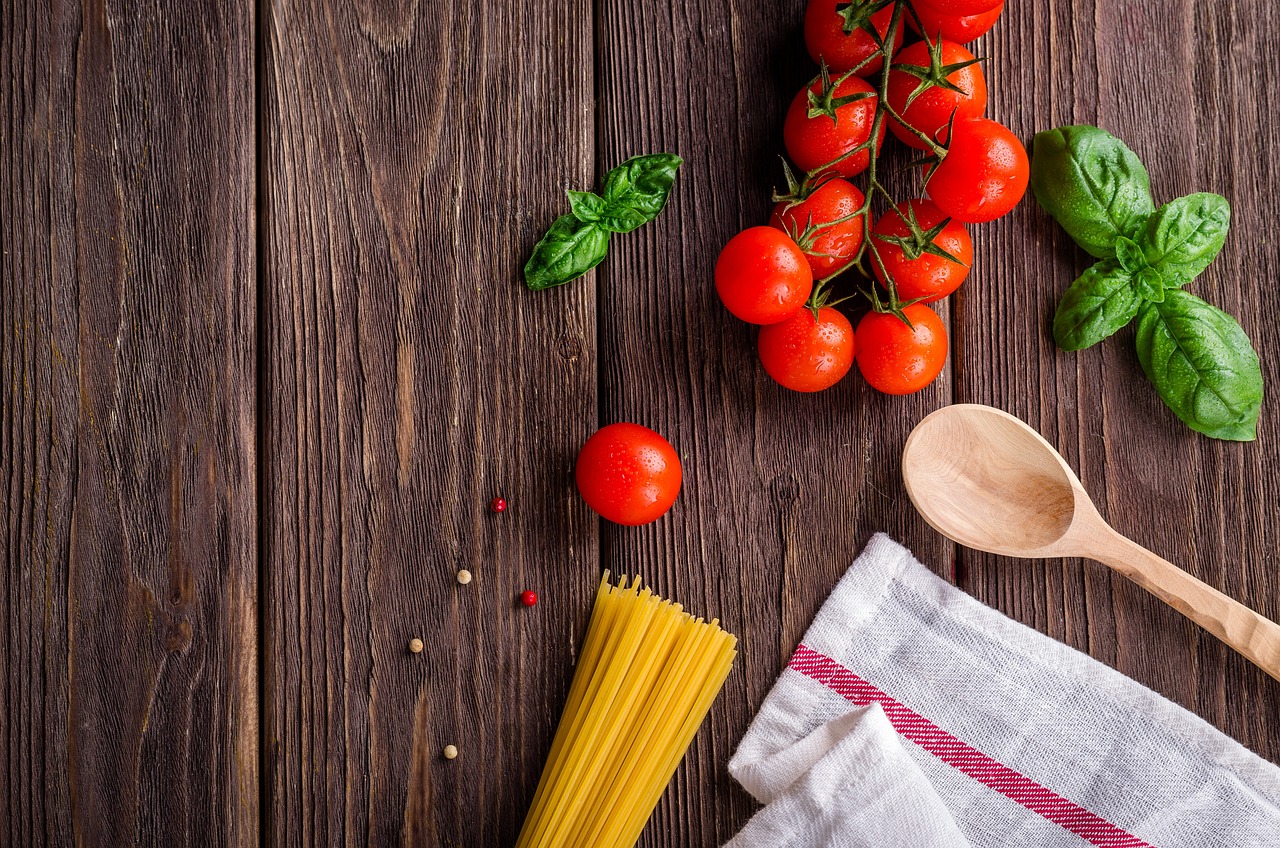
- Tomatoes: Whether fresh or cooked into a sauce, tomatoes are another cornerstone of Italian cooking.
Expert-Based or Trust-Focused Information
The joy of Italian cooking has been celebrated by iconic chefs and food writers like Marcella Hazan and Lidia Bastianich. These figures remind us that cooking should be approached with both respect for tradition and flexibility for personal adaptation. Utilizing well-established recipes from trusted sources ensures that even beginners can create dishes that taste authentic.
Common Questions, Mistakes, or Myths
- Is Italian food unhealthy? While some dishes can be indulgent, many Italian recipes like grilled fish, bruschetta, and caprese salads focus on fresh, wholesome ingredients.
- Do I need specialized kitchen equipment? Most Italian recipes can be made with basic kitchen tools. A good chef’s knife and a sturdy pan are often enough to get started.
Practical Tips & Actionable Advice
- Start simple: Begin with recipes that require fewer ingredients, such as spaghetti carbonara or a basic tomato bruschetta.
- Quality matters: Invest in high-quality basics, especially olive oil and tomatoes, which can elevate your dish significantly.
- Herbs are essential: Grow fresh herbs like basil and rosemary to use in your cooking; their flavors are unbeatable when fresh.
Checklists for Your Italian Kitchen Setup
- Stock up on essential ingredients: pasta, olive oil, garlic, canned tomatoes, Parmesan cheese.
- Basic tools needed: a pasta pot, skillet, chopping board, sharp knife, and a grater for fresh cheese.
Do’s and Don’ts
- Do taste as you cook, adjusting seasonings to your preferences.
- Don’t overcook pasta; al dente (slightly firm) is the way to go.
Strong Conclusion
Exploring traditional Italian recipes opens up a world of culinary opportunities that combine both the simplicity of good ingredients and the joy of homemade cooking. Whether you’re looking to host a lavish dinner party or just improve your everyday meals, Italian cuisine offers versatility and flavor unmatched by any other. Why not pick a recipe and start your culinary adventure today? Your kitchen is waiting to be transformed into a little piece of Italy. Mangia!