

Exploring High Protein Vegetarian Diet Plan: Benefits and Easy Recipes
Have you ever wondered how you can power up your body with proteins without relying on meat? A high protein vegetarian diet might be the gem you’re looking for! Whether you’re transitioning to vegetarianism or simply looking to diversify your diet, understanding how to incorporate more protein can make a big difference.
- Exploring High Protein Vegetarian Diet Plan: Benefits and Easy Recipes
- Why This Matters
- What is a High Protein Vegetarian Diet?
- Benefits of a High Protein Vegetarian Diet
- Key Sources of Protein in a Vegetarian Diet
- Easy High-Protein Vegetarian Recipes
- Common Myths and Questions
- Practical Tips for a High Protein Vegetarian Diet
- Conclusion
Why This Matters
Proteins are the building blocks of life, essential for muscle repair, skin health, and hormonal balance. Unfortunately, when people think about high-protein diets, they often picture plates full of meat. But there’s a whole world of vegetarian options rich in protein! A high protein vegetarian diet not only supports your body’s needs but also aligns with ethical and ecological values by reducing reliance on animal products.
What is a High Protein Vegetarian Diet?
A high protein vegetarian diet focuses on plant-based protein sources instead of meat. This diet is enriched with foods like lentils, chickpeas, tofu, and quinoa, which are fantastic protein sources. Incorporating these foods can help you meet or exceed your daily protein requirements without compromising on taste or variety.
Benefits of a High Protein Vegetarian Diet
- Sustainability: Less reliant on animal farming, which is beneficial for the planet.
- Health Benefits: Linked with lower risks of heart disease, hypertension, diabetes, and obesity.
- Versatility in Meals: Wide range of foods to create delicious and nutritious meals.
Key Sources of Protein in a Vegetarian Diet
Understanding where to get your protein is crucial in a vegetarian diet. Here are some top sources:
- Legumes: Beans, lentils, and chickpeas.
- Whole Grains: Quinoa, brown rice, and barley.
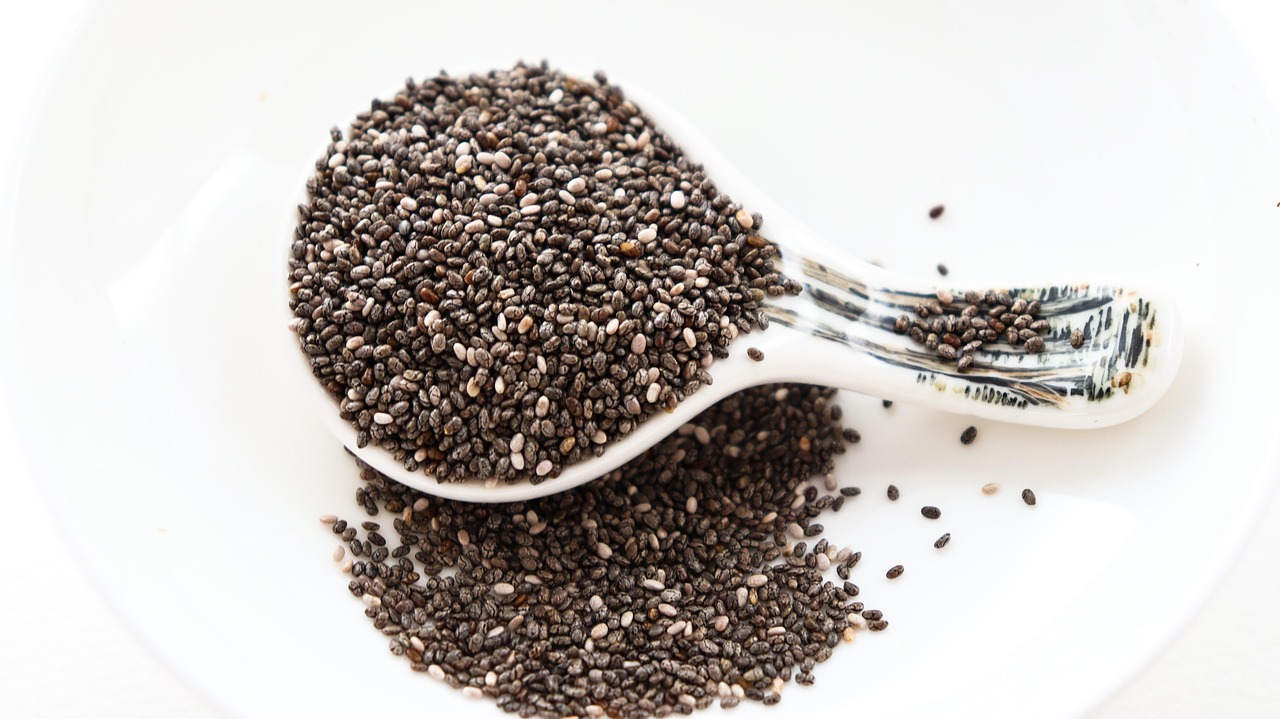
- Nuts and Seeds: Almonds, chia seeds, and flaxseeds.
- Dairy Products: Milk, cheese, and yogurt (for lacto-vegetarians).
- Soy Products: Tofu, tempeh, and edamame.
Easy High-Protein Vegetarian Recipes
1. Quinoa and Black Bean Salad
- Ingredients: Quinoa, black beans, tomatoes, onion, cilantro, lime, olive oil, spices.
- Procedure: Cook quinoa, mix with other ingredients and dressing. Serve chilled.
2. Chickpea Curry
- Ingredients: Chickpeas, coconut milk, onion, tomatoes, garlic, ginger, curry spices.
- Procedure: Sauté onions, garlic, and spices, add chickpeas and tomatoes, pour in coconut milk, simmer, and serve with rice.
Common Myths and Questions
- Myth: You can’t get enough protein from a vegetarian diet.
- Fact: Plenty of vegetarian foods are rich in protein.
- Question: Is soy bad for you?
- Answer: Soy is safe and healthy for most people when consumed in moderation.
Practical Tips for a High Protein Vegetarian Diet
- Do: Incorporate a variety of protein sources to cover all amino acids.
- Don’t: Rely solely on cheese and dairy for protein.
- Checklist:
- Ensure every meal includes a protein source.
- Use whole grains instead of refined grains.
Conclusion
Embarking on a high protein vegetarian diet can be a refreshing and healthy change that benefits both you and the planet. By focusing on diverse, protein-rich foods, you can enjoy delicious meals while meeting your nutritional needs. Start experimenting with the recipes provided and discover the fulfilling world of vegetarian cooking. Let your diet be as vibrant and diverse as the benefits it brings!