
Introduction
Have you ever wondered how to start eating healthier but felt overwhelmed by all the complicated advice out there? You’re not alone. Many people want to improve their eating habits but don’t know where to begin. An Essential Guide to a Healthy Diet Plan for Beginners is your straightforward roadmap to understanding and implementing healthier eating habits in a simple, manageable way that suits your lifestyle.
Why This Matters
Eating healthily isn’t just a fad—it’s a fundamental part of living a longer, healthier life. Starting with a basic diet plan is significant because it helps you avoid the confusion of trend diets and provides a foundation that you can build upon over time. This guide isn’t just about losing weight; it’s about learning to make informed food choices that boost your energy, enhance your mood, and reduce your risk of diseases.
Understanding the Basics of a Healthy Diet
What Does a Balanced Diet Look Like?
A balanced diet includes a variety of foods in the right proportions to provide necessary nutrients without excess calories. Here are the key components:
- Fruits and Vegetables: Aim for at least five servings a day to get a good mix of vitamins and minerals.
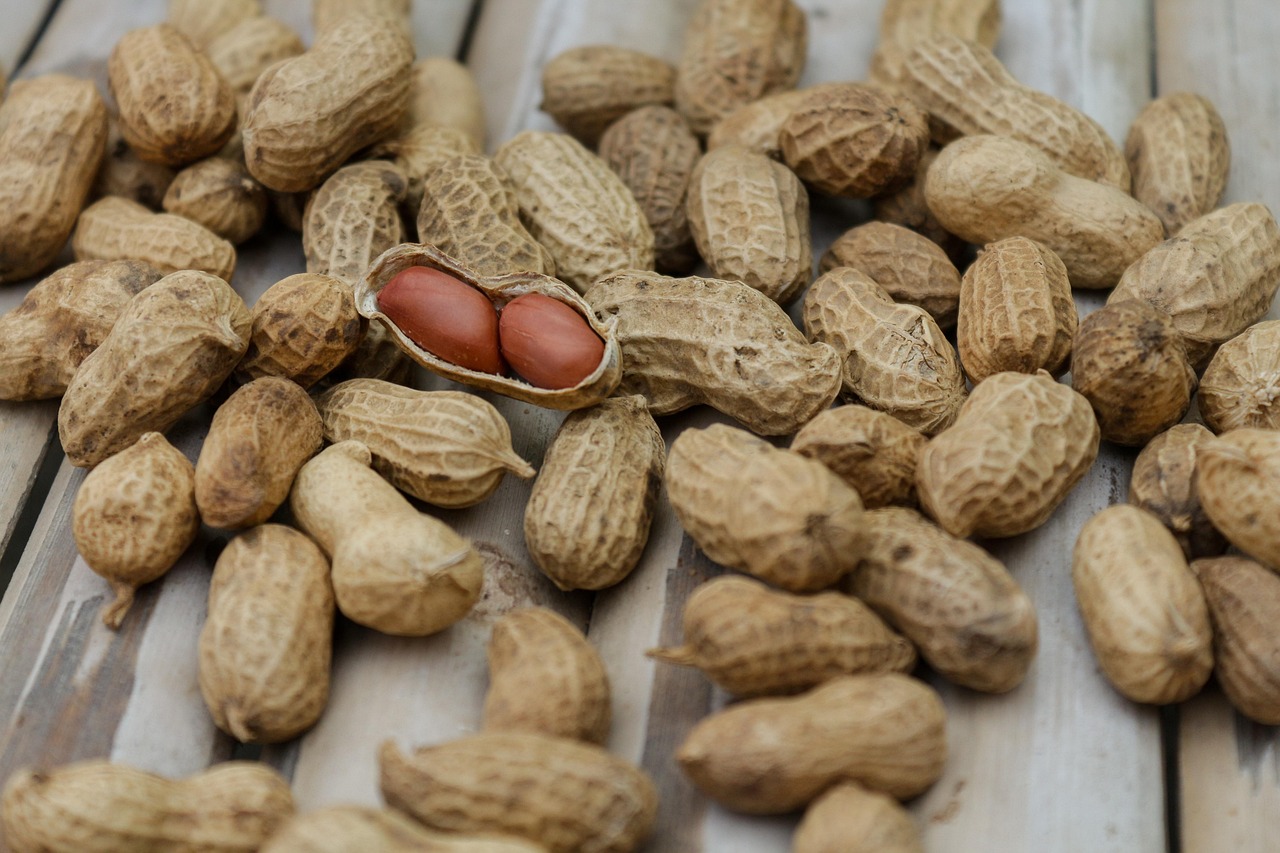
- Proteins: Include lean meats, fish, beans, and nuts to build and repair tissues.
- Dairy: Choose low-fat or fat-free dairy options like milk, yogurt, and cheese for calcium and vitamin D.
- Grains: Opt for whole grains like brown rice, oats, and whole wheat bread instead of refined grains.
- Fats: Focus on healthy sources like avocados, olive oil, and fatty fish instead of saturated fats.
How Much Should You Eat?
Understanding portion control is crucial. Use smaller plates to help control the amounts of food you eat and avoid overeating.
Source-Verified Information
The guidelines presented here align with those of the U.S. Department of Agriculture and the World Health Organization. These organizations recommend a balanced diet combined with physical activity for a healthy lifestyle.
Common Questions and Misconceptions
-
Is carb-cutting essential for a healthy diet?
- Not necessarily. Choosing the right type of carbohydrate is more important. Focus on whole grains which are more nutrient-dense and filling.
-
Do I need to eat organic foods to be healthy?
- While organic foods have lower pesticide levels, you can still have a perfectly healthy diet with non-organic foods by washing fruits and vegetables thoroughly.
-
Will a healthy diet cost me more?
- Eating healthy doesn’t have to be expensive. Planning your meals and buying whole foods in bulk can actually save money.
Practical Tips & Actionable Advice
Starter Checklist for a Healthy Diet
- Stock up on Essentials: Make sure your pantry has whole grains, beans, nuts, seeds, and spices.
- Plan Your Meals: Take time each week to plan your meals. This helps in managing portion control and avoiding unhealthy last-minute choices.
- Stay Hydrated: Water is often overlooked in diet plans. Drink at least eight 8-ounce glasses of water daily.
Do’s and Don’ts
- Do incorporate a variety of foods into your diet.
- Don’t skip meals thinking it will help you lose weight faster.
- Do aim for balance and moderation in your food choices.
- Don’t be too rigid. Allowing yourself an occasional treat can make your diet more sustainable.
Conclusion
A healthy diet isn’t about strict limitations or depriving yourself of the foods you love. Rather, it’s about feeling great, having more energy, and improving your health. Remember, adopting a new eating style takes time, and it’s okay to make gradual changes. Take the first step today by using this guide as a foundational tool for a healthier you. Explore further, apply these tips, and consider talking to a nutritionist if you need more personalized advice. Happy eating!