

Engaging Introduction
Imagine stepping into your kitchen with the confidence of a seasoned chef. Whether you’re aiming to master your morning omelet or preparing a dinner party for friends, knowing the basics of cooking can transform your kitchen experience. ‘Mastering the Basics: Essential Cooking Tips for Beginners’ is all about equipping you with foundational culinary skills, making cooking less daunting and more enjoyable. This guide serves as your personal kitchen handbook, helping you start your culinary journey on the right foot.
Why This Matters
Cooking is not just about mixing ingredients; it’s an essential life skill that affects your health, budget, and daily well-being. Understanding basic cooking techniques not only saves you money—by eating out less and wasting less food—but also allows you to create nutritious meals better suited to your dietary needs. Furthermore, the joy and pride of cooking for yourself and others can significantly boost your overall happiness and satisfaction.
Detailed Explanation: A Step-by-Step Guide to Cooking Basics
Choosing the Right Tools
- Knives: Start with a chef’s knife, a paring knife, and a bread knife.
- Cookware: Invest in a non-stick skillet, a saucepan, and a large pot.
- Miscellaneous: A cutting board, mixing bowls, a spatula, and measuring cups and spoons are essentials.
Basic Cooking Techniques
- Boiling: Ideal for pasta, eggs, and vegetables.
- Sautéing: Quick and versatile for meats and vegetables with a bit of oil.
- Baking: For meats, vegetables, and of course, desserts like cakes and cookies.
Understanding Ingredients
- Seasonal Eating: Use fresh, seasonal produce for better flavor and value.
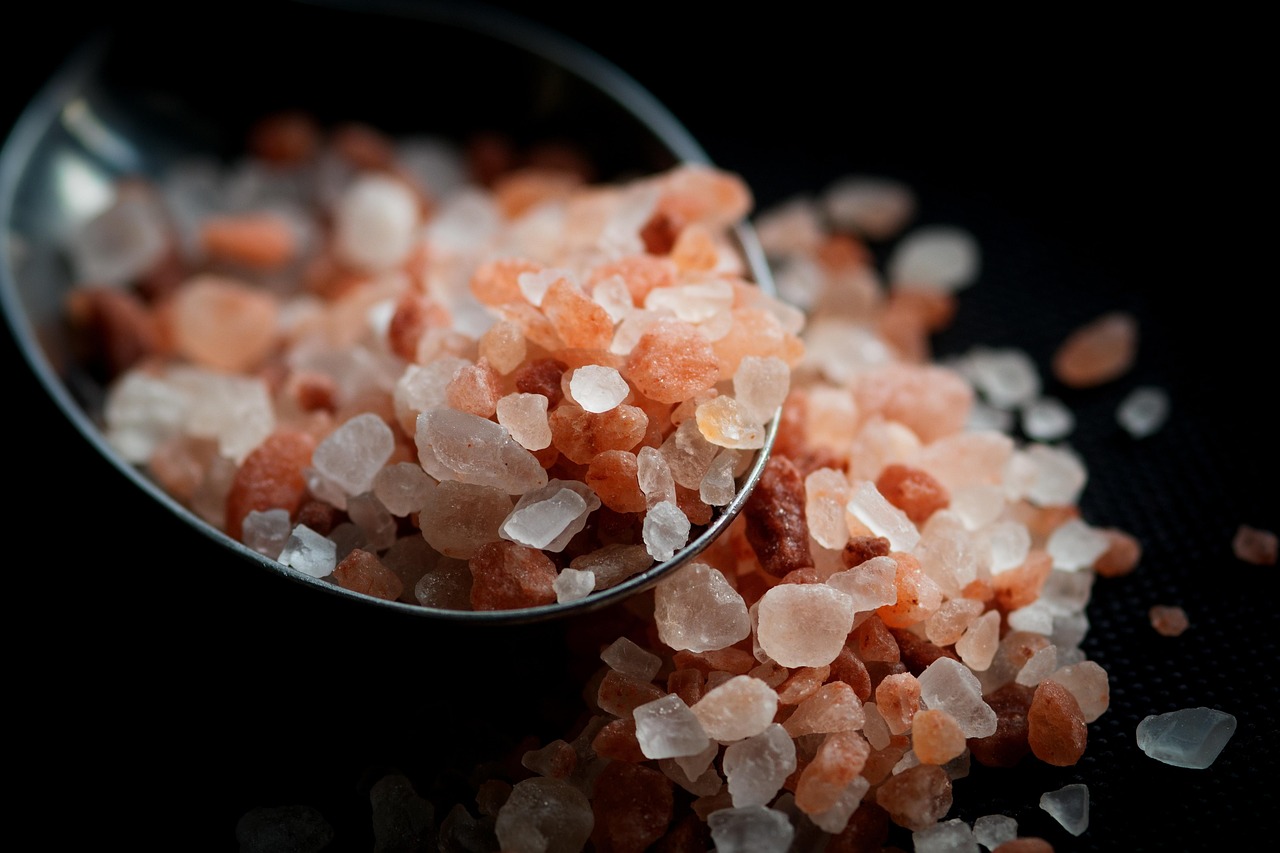
- Balancing Flavors: Learn the basics of salty, sweet, sour, and bitter to enhance your cooking.
- Reading Labels: Understand nutrition labels to make healthier choices.
Expert-Based or Trust-Focused Information
Renowned chefs and culinary schools emphasize mastering basic skills before diving into complex dishes. According to the Culinary Institute of America, foundational cooking techniques empower home cooks to create better meals with less stress. These practices are not just about following recipes—they’re about making each recipe adaptable to your needs.
Common Questions, Mistakes, or Myths
- Is expensive equipment necessary? No, start with basic, good-quality tools and upgrade as your skills advance.
- Are complicated recipes better? Simple recipes are often the best way to start; complexity doesn’t necessarily mean better taste.
- Do I need to follow recipes exactly? Recipes are guidelines; feel free to adapt them to suit your taste and dietary requirements.
Practical Tips & Actionable Advice
- Keep It Clean: Always start with a clean workspace and clean as you go.
- Hot Pan, Cold Oil: This prevents sticking and ensures better cooking.
- Prep First: Measure and cut all ingredients before starting to cook. This practice, known as “mise en place,” keeps you organized.
- Taste As You Go: Seasoning gradually and tasting often makes for better-flavored dishes.
Checklist for Beginners:
- [ ] Assemble basic tools and pantry staples.
- [ ] Practice key cooking techniques one at a time.
- [ ] Start with simple recipes and gradually introduce new ingredients.
Best Practices:
- Learn to manage heat properly to avoid under or overcooking.
- Store herbs and spices correctly to maintain their flavor and potency.
Do’s and Don’ts:
- Do experiment with spices and herbs.
- Don’t be afraid of making mistakes; they’re learning opportunities.
SEO Optimization
In mastering the basics of cooking, beginners uncover a world full of flavors and gains practical life skills that pay off tremendously over time.
Strong Conclusion
Mastering essential cooking tips provides more than just the ability to prepare meals—it’s a journey into a world of creativity, health, and independence in your kitchen. Start small, keep learning, and remember that every chef started with the basics. Your kitchen adventure is just beginning, and the skills you learn now will benefit you for years to come. Happy cooking!