

Introduction: Discovering the Delights of World Cuisines
Have you ever caught yourself mesmerized by the swirling aromas of a Thai curry or wondered what secrets make Italian pasta taste like a piece of culinary art? Understanding and enjoying global cuisines can elevate your dining and cooking experiences, transporting your taste buds to distant lands from the comfort of your own kitchen. “World Cuisines Explained for Beginners: Your Ultimate Guide to Global Cooking” is your friendly companion in this flavorful quest. It’s designed to demystify the ingredients, techniques, and cultural significance behind various international dishes, making it easy and enjoyable for anyone interested.
Imagine being able to whip up an authentic sushi dinner or impressing family and friends with an exquisite French dessert. Knowing about different world cuisines isn’t just about food; it’s about weaving the tapestry of global culture right on your plate!
Why This Matters
Understanding world cuisines opens a window to different cultures, enriching your knowledge and appreciation of the diversity that exists around the globe. It’s an opportunity to bring new flavors into your home and to share these experiences with others. Here’s why diving into global cooking could add some extra spice to your life:
- Broadened Culinary Skills: Learning about international cuisines can boost your cooking skills by introducing new techniques and ingredients.
- Cultural Appreciation: Each dish has a story. Cooking foreign cuisines offers a deeper insight into the traditions and lifestyles of people from other countries.
- Enhanced Social Experiences: Food is a universal social glue. Sharing a meal from another culture can be a great way to connect with friends and make new ones.
Exploring Global Cuisines: A Category Breakdown
1. European Delights
- Italian: Famous for pasta, pizza, and risotto.
- French: Known for sophisticated sauces, cheeses, and pastries like croissants.
- Spanish: Offers vibrant dishes like paella and tapas.
2. Asian Flavors
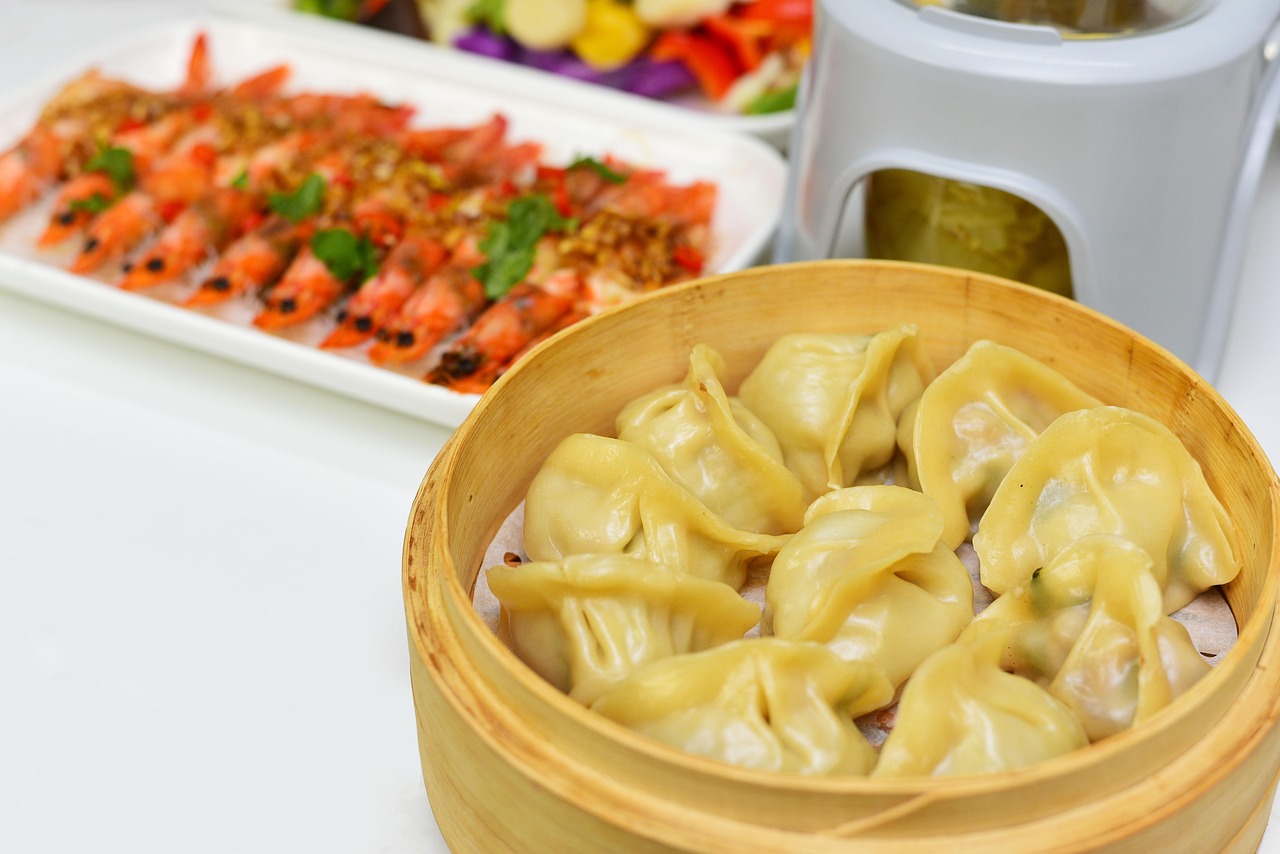
- Chinese: Includes staples like dumplings, stir-fries, and Peking duck.
- Japanese: Known for sushi, ramen, and tempura.
- Indian: Rich in spices with dishes like curries, samosas, and roti.
3. Middle Eastern and African Tastes
- Middle Eastern: Features ingredients like lamb, yogurt, and a variety of spices with dishes such as hummus and shawarma.
- African: Known for diverse flavors, including Ethiopian injera and Moroccan tagine.
4. The Americas
- Mexican: Offers vibrant dishes such as tacos and mole.
- American: Known for its diverse regional cuisines including barbeque and hamburgers.
Trust in Global Cooking: Best Practices
Drawing from renowned culinary experts and cookbooks, the best practice in exploring world cuisines is to immerse oneself authentically in each dish’s cultural background. Understand not just the how, but the why behind the cooking methods:
- Use authentic sources for recipes such as renowned global cuisine chefs or traditional cookbooks.
- Try to use traditional ingredients as much as possible to get the real taste and experience of each dish.
Common Questions and Myths
- Is it expensive to cook dishes from around the world? Not necessarily. Many international ingredients are available in local supermarkets and substitutions can be made without losing authenticity.
- Myth: You need special equipment to cook international dishes. Truth: Most dishes can be prepared with standard kitchen tools.
Practical Tips & Actionable Advice
- Start Simple: Begin with recipes that don’t require too many unfamiliar ingredients or techniques.
- Flavor Experimentation: Play with spices and herbs to understand their impact on a dish.
- Cultural Nights: Dedicate nights to cooking from different countries—make it a fun learning experience for the whole family or a group of friends.
Conclusion: Your Culinary Journey Awaits
Exploring world cuisines is more than just cooking and eating. It’s about learning, experiencing, and connecting. With each dish, you open a chapter of an endless storybook filled with flavors, traditions, and histories. Whether you’re a seasoned chef or a curious novice, “World Cuisines Explained for Beginners: Your Ultimate Guide to Global Cooking” offers a delightful pathway to expanding your culinary horizons. So why wait? Start your delicious journey today and bring the world to your kitchen! Happy cooking!